
January is Morocco's coldest month, but also one of its quietest and best-value. Days are often sunny in the cities and desert, the High Atlas is under snow, and the crowds are thin. Here's a complete guide to visiting Morocco in January.
Weather in Morocco in January
Mild, sunny days in Marrakech and the desert, cold nights in the Sahara and mountains (sometimes near freezing), snow in the High Atlas, and cool, sometimes rainy weather in the north.
Is January a Good Time to Visit Morocco?
Yes, if you don't mind cold evenings. It's excellent for the imperial cities and desert by day, offers the year's thinnest crowds and best prices, and even brings skiing to the Atlas. Just pack warm for the nights.
Best Things to Do in Morocco in January
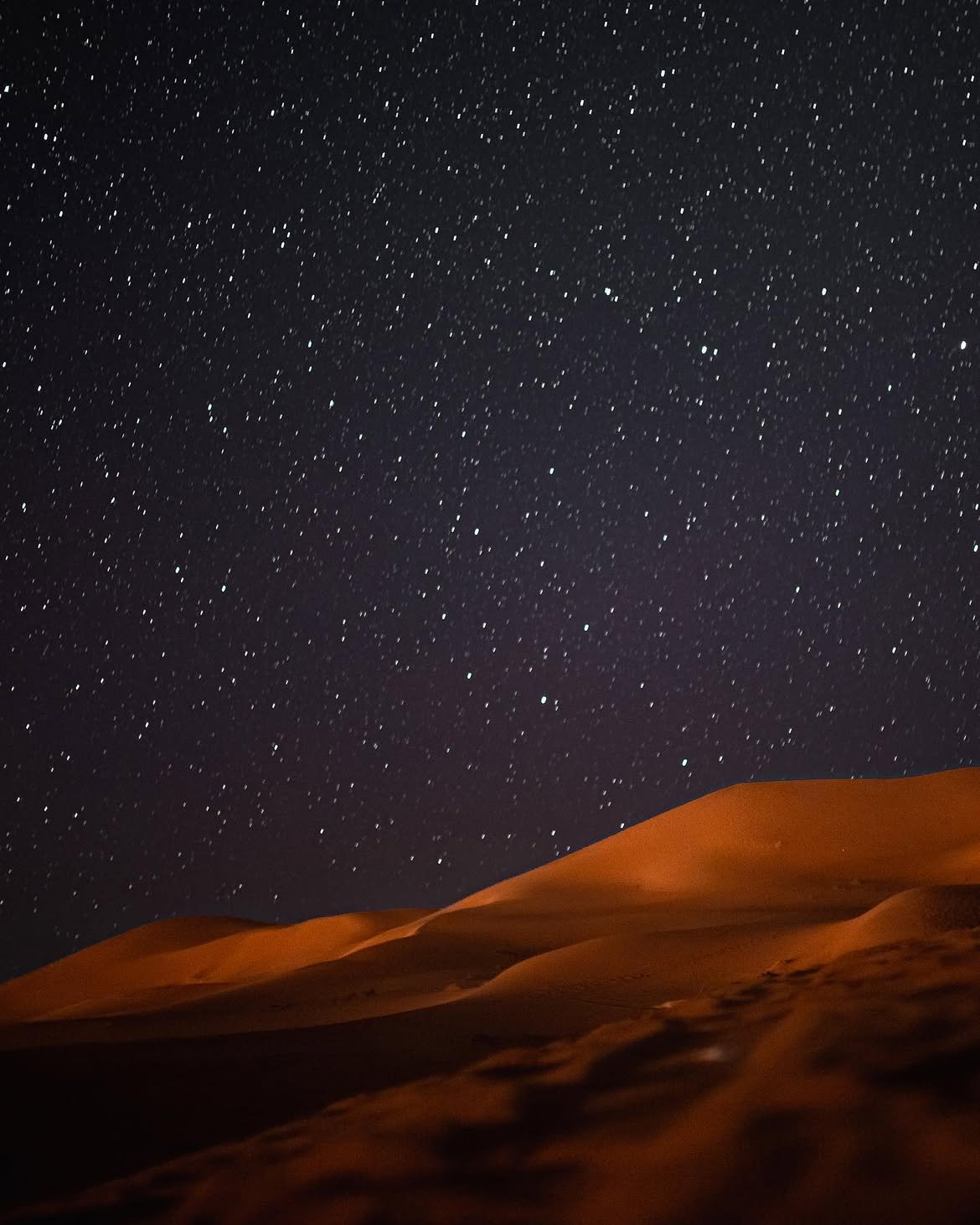
Sightsee in Marrakech and Fes under sunny skies, go skiing or play in the snow at Oukaïmeden in the High Atlas, spend a well-wrapped night in a Sahara camp, or enjoy the blue lanes of Chefchaouen with hardly anyone around.
What to Pack for January
Warm layers are a must — a proper jacket, fleece, hat and gloves for cold nights, plus lighter clothing for sunny days and waterproofs for the north.
Final Thoughts
January rewards travellers who pack warm with sunny city days, snowy mountains, starry desert nights and the lowest crowds and prices of the year — a quietly excellent time to see Morocco.
Frequently Asked Questions
Is January a good time to visit Morocco?
Yes, for the cities and desert by day, with the quietest crowds and best prices of the year. Nights are cold, so pack warm layers.
Does it snow in Morocco in January?
Yes, on the High Atlas peaks, where you can even ski at Oukaïmeden. The cities and desert stay largely dry and sunny by day.
Is the desert too cold in January?
Nights are cold, sometimes near freezing, but days are pleasant. With a warm jacket and the camp's blankets, a desert night is very doable.